
Controlling Common Weeds in Maryland: A Homeowner’s Guide
Weeds can wreak havoc on Maryland lawns, outcompeting grass for essential nutrients, water, and sunlight. From persistent broadleaf weeds like clover and dandelions to fast-growing grasses like crabgrass, these weeds can quickly dominate your lawn, leaving it thin and unhealthy. Maryland‘s diverse climate and soil conditions create the perfect environment for various weeds to thrive, making weed control a priority for homeowners. With the right lawn care approach, you can protect your lawn from common weeds and keep it lush year-round.
Common Weeds in Maryland
Maryland‘s climate and soil make it a haven for pesky weeds. Understanding the most common weeds can help you proactively manage and prevent their spread. Some of the most notorious Maryland weeds include:
- Crabgrass: Crabgrass is a fast-growing, low-spreading weed that forms dense clumps with spiky leaves. It thrives in the summer when the soil warms up and can quickly crowd out your grass, leaving bare patches.
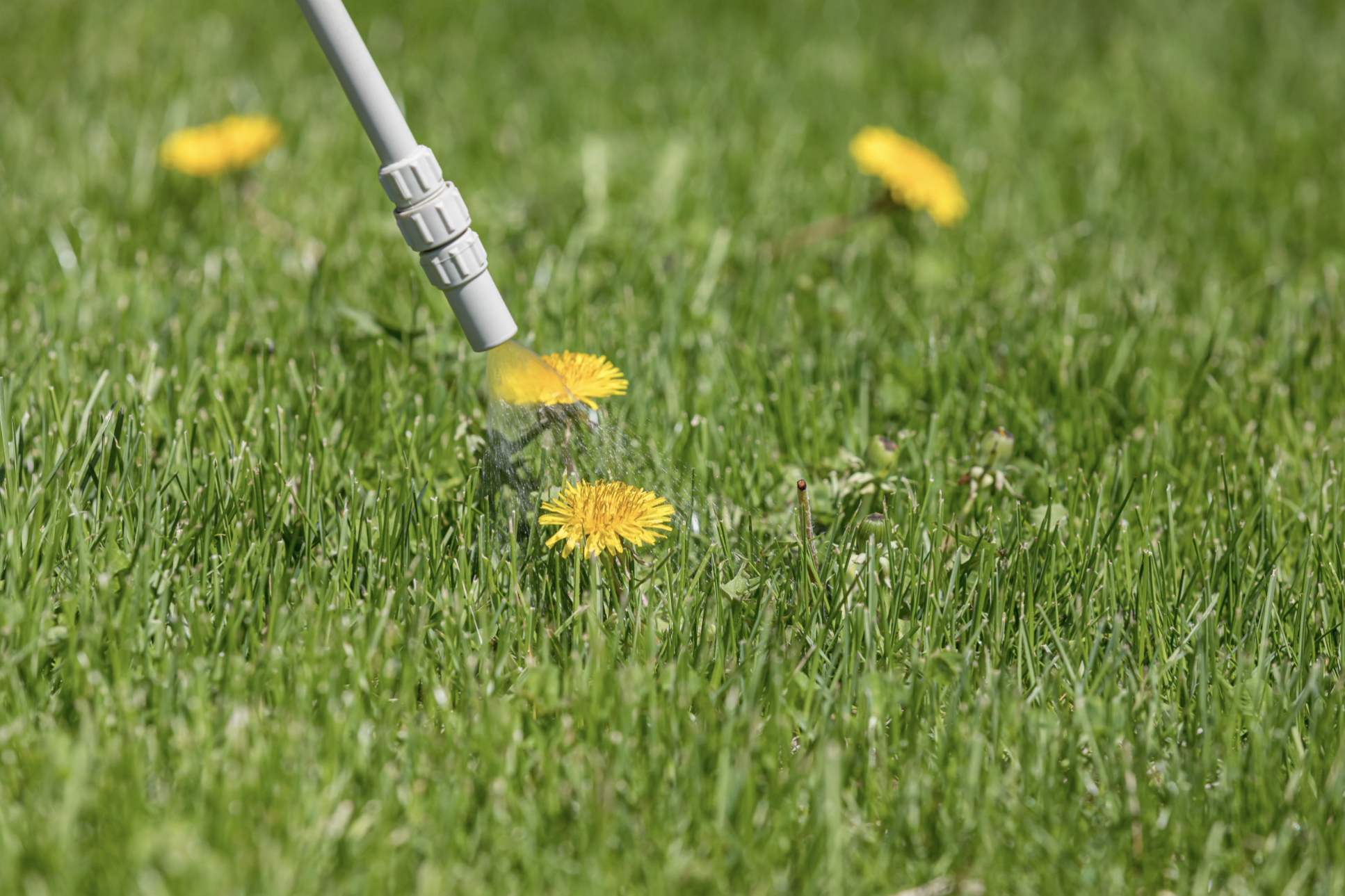
- Dandelions: Dandelions are known for their bright yellow flowers and jagged, rosette-shaped leaves. They thrive in the spring and early summer, and their deep root systems make them difficult to remove.
- Clover: Clover has round, bright green leaves with small white or pink flowers that grow in clusters. It blossoms in the cooler months of spring and fall, spreading quickly and creating a lumpy appearance.
- Yellow nutsedge: Nutsedge has lighter green blades and grows faster than surrounding grass. It grows in poorly drained areas, with underground nut-like tubers that make it challenging to eliminate.
- Chickweed: Common chickweed has small, bright green leaves and delicate white flowers, spreading across the lawn in dense, low-growing mats. It flourishes in the cooler months, from fall through early spring, and can smother grass in shady areas.
- Henbit: Henbit features round, scalloped leaves and small purple flowers growing in sprawling mats across the lawn. It germinates in fall and flourishes in early spring, often competing with grass for space and nutrients.
- Wild garlic: Wild garlic features thin, grass-like leaves and small white flowers, typically growing in clusters. It thrives in spring and spreads via its bulb-like bulbs.
Some lawns in this area may consider bermudagrass an invasive weed to lawn’s actively growing grass type. Ask us about our bermudagrass suppression if you’re struggling with bermuda overtaking your lawn.
Effective Strategies for Controlling Maryland Lawn Weeds
For homeowners in Maryland, weed control is a year-round effort—and following the right strategies can make a big difference in keeping your lawn healthy. From proper lawn care practices to using herbicides, make sure to follow certain procedures to tackle weeds and prevent them from taking over your Maryland lawn.
Proper Lawn Care Practices
Healthy lawns are naturally resistant to weeds. There are a few key practices that can help your grass thrive and reduce weed pressure.
Mowing Techniques
When grass is cut too short, it can become stressed, creating openings for weeds to take root. For cool-season grasses like fescue, keep the grass height between 2.5 and 4 inches. This longer grass provides shade to the soil, preventing sunlight from reaching weed seeds and hindering their germination. Always mow with a sharp blade to avoid damaging the grass, which could lead to weed invasion.
Watering Tips
Water your lawn deeply but infrequently—about 1 to 1.5 inches of water per week is ideal depending on the season and local weather. This encourages deep root growth, making the grass more drought-resistant and better able to compete with weeds. Avoid frequent shallow watering, which can lead to weak roots and encourage invasive weeds. Water in the early morning to reduce evaporation and ensure the grass gets the moisture it needs to stay healthy.
Fertilization
Fertilizing your lawn at the right times improves grass health and helps it prevent weeds. In Maryland, aim for a late fall fertilization application for cool-season grasses, like fescue, as it helps them recover from summer stress and prepare for the winter. Fertilizing in late March to early April is great for establishing healthy growth in the spring. Fertilized lawns are denser and better able to shade out weed seeds, making it harder for them to germinate and grow.
Using Pre-Emergent Herbicides
Pre-emergent herbicides are a powerful tool in preventing weeds before they establish themselves. When used correctly, they can dramatically reduce the number of weeds in your lawn during the growing season.
Timing of Application
In Maryland, the best time to apply pre-emergents is in early spring, just before the soil temperature consistently reaches 55°F. This temperature triggers the germination process for weeds like crabgrass and annual bluegrass. If you apply pre-emergent herbicides too early or too late, they won’t be effective in preventing these weeds from growing.
Application Best Practices
Always follow the manufacturer’s instructions on the product label when applying pre-emergents. Use a broadcast spreader for granular applications or a sprayer for liquid pre-emergents, ensuring even coverage across your lawn. After application, water your lawn lightly to activate the herbicide and form a protective barrier in the soil.
Post-Emergent Herbicide Strategies
Post-emergent herbicides target weeds that have already sprouted and are actively growing. Apply post-emergent herbicides when weeds are actively growing, typically in late spring or early summer, and on a dry day when the weeds aren’t stressed from recent rain or excessive heat. Follow the product label’s instructions for specific weed types and application rates. After application, let the herbicide remain on the weeds for several hours before watering or mowing to give it time to be absorbed into the plant.
Manual Weed Removal Techniques
If you’re dealing with smaller weed problems, manual weed removal can be effective. Pulling weeds by hand or using a weeding tool can help reduce the need for herbicides, making it a more eco-friendly solution. The best time to manually remove weeds is when the soil is moist, as this makes it easier to pull out the entire root system. If the soil is dry, the roots may break off, and the weed could regrow. Use a weed puller or a hand trowel to dig up grassy weeds like dandelions and ground ivy.
For more stubborn weeds, like wild garlic, dig up the bulbs completely to prevent them from coming back. It’s also best to remove weeds before they flower and seed, as this prevents them from spreading further across your lawn.
How a Professional Lawn Care Service Can Help
Maintaining a healthy lawn can be time-consuming, but a professional lawn care service offers the experience and tools necessary to tackle weed problems effectively. Professional lawn care programs can help your lawn stay in top condition year-round.
Customized Treatment Plans
Every lawn is unique, and a one-size-fits-all approach isn’t always effective when it comes to weed control. Professional lawn care services can assess the specific needs of your lawn, taking into account factors like soil type, grass variety, and weed identification.
Expertise in Herbicide Selection and Application
Selecting the right herbicide is important for weed control, as different weeds require different treatments. A professional lawn care service has in-depth knowledge of herbicides and how to apply them effectively. Professionals know which products work best for specific weed types—from bittercress to black medic—and can select the most appropriate pre- or post-emergent herbicides for your lawn.
Regular Monitoring and Maintenance
Weed control doesn’t stop after one application. It requires ongoing monitoring and maintenance to prevent emerging weeds and adjust treatments as necessary. A professional lawn care service will regularly visit your property to inspect the lawn for any new weed growth, signs of stress or disease, or other issues that might arise. With regular visits, they can perform lawn care like fertilization or aeration and keep your lawn healthy with annual weed control.
The Importance of Year-Round Weed Control
Weed control isn’t just about tackling weeds when they’re visible—it’s about staying ahead of them throughout the year. Weeds can sprout at various times throughout the year, with each type requiring a different approach to eliminating them. By committing to year-round weed control, you can prevent weeds before they have a chance to invade.
Consistent care creates a healthier lawn that’s better equipped to fight off weeds. In the winter, pre-emergent herbicides can stop winter weeds before they even begin to grow. In the spring and summer, proper mowing, watering, and fertilization practices can make your lawn more resilient, reducing the space for weeds to take hold. Fall treatments tackle stubborn weeds that may have appeared during the warmer months, giving your lawn a head start before winter.
Working With MRW Lawns
At MRW Lawns, our professionals offer tailored lawn care services to keep your lawn healthy and beautiful throughout the year. Our team specializes in weed control, fertilization, pest management, and more, with customized treatments designed to suit your lawn’s specific needs. Contact us today for a free quote and experience the difference professional care can make for your lawn!