
Pre-Emergent Weed Control: What Maryland and Virginia Homeowners Need to Know
In the battle against crabgrass, spurge, and other summer annual weeds, the single most effective move you can make is one most homeowners overlook: pre-emergent weed control applied at exactly the right time in spring. MRW Lawns has helped Maryland and Virginia homeowners stay ahead of weeds for years, and timing is everything.
What Is Pre-Emergent Weed Control?
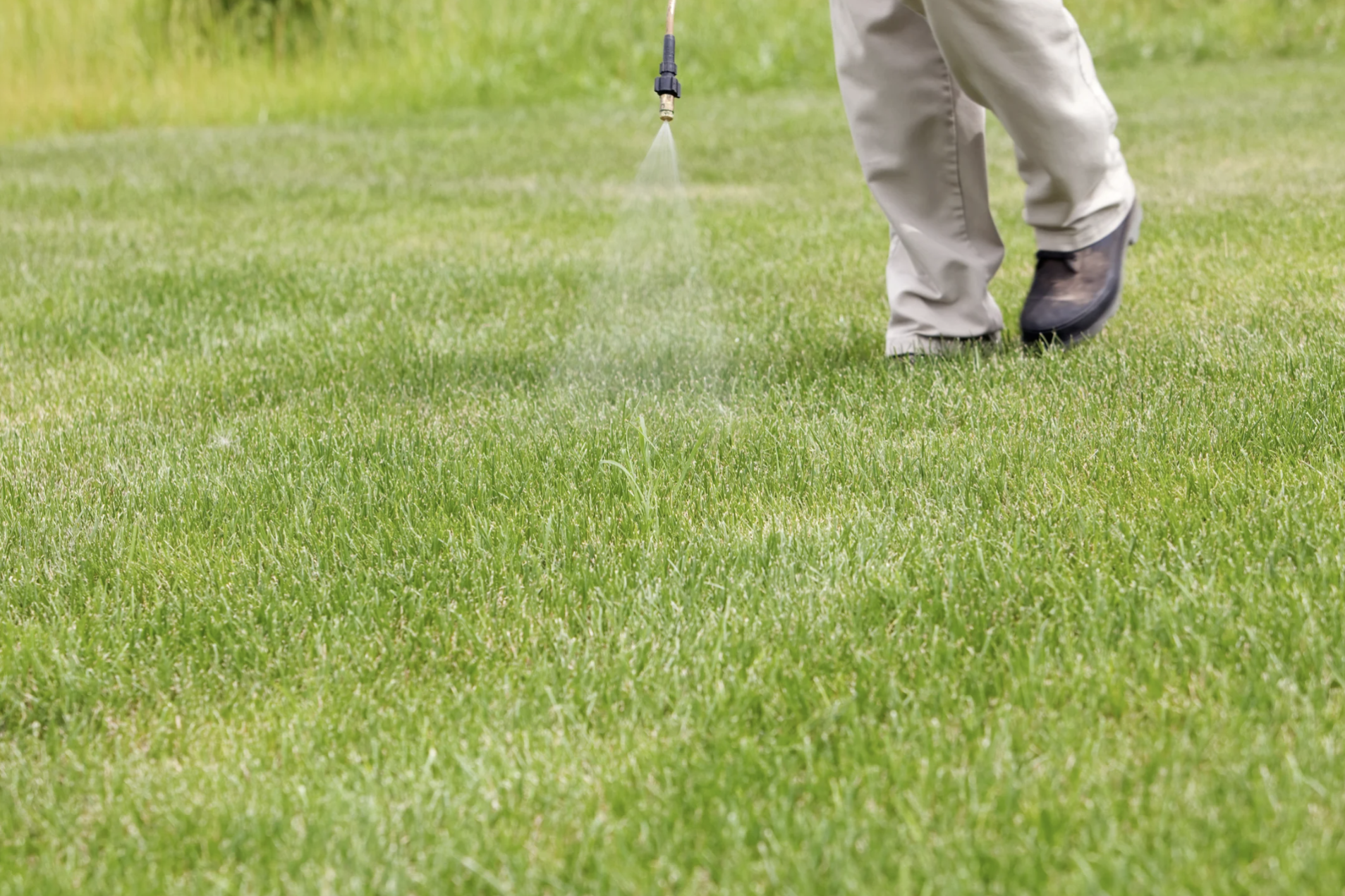
Pre-emergent herbicides don’t kill existing weeds — they prevent weed seeds from germinating in the first place. Applied to the soil surface, they create a chemical barrier that interrupts the germination process of annual grassy weeds like crabgrass, foxtail, and goosegrass before they ever break through. Once the weed has emerged, pre-emergents are no longer effective.
Timing in Maryland and Virginia
The application window for pre-emergent herbicides is dictated by soil temperature, not the calendar. Crabgrass germinates when soil temperatures at a 2-inch depth reach 55°F for several consecutive days — a threshold that typically arrives in Maryland and Virginia between late March and mid-April, depending on elevation and location.
- Northern Maryland and higher-elevation areas in Virginia: target late March to early April
- The DC metro corridor and Northern Virginia: typically mid-March to early April
- Tidewater and coastal Virginia: can arrive as early as mid-March
A reliable natural indicator: apply pre-emergent when forsythia shrubs are in full bloom and beginning to fade. This phenological cue has been used by lawn care professionals for decades and holds up well across the Maryland-Virginia region.
Split Applications for Extended Coverage
A single pre-emergent application typically provides 6–8 weeks of control. Given Maryland and Virginia’s extended spring warm-up, a split application strategy — applying half the rate at the initial timing and the second half 4–6 weeks later — extends protection into late spring and covers late-germinating weed species. This approach is especially valuable in years with cool, drawn-out springs.
Pre-Emergent and Overseeding: A Conflict to Manage
Pre-emergent herbicides don’t distinguish between weed seeds and grass seeds — they inhibit all germination. If you plan to overseed bare or thin areas of your lawn, do not apply pre-emergent in those zones. Fall overseeding after the pre-emergent barrier has broken down (typically 8–12 weeks after application) is the safest approach for cool-season lawns in this region.
What Pre-Emergent Doesn’t Cover
Pre-emergent products target annual weeds that germinate from seed each year. Perennial weeds like dandelion, clover, and ground ivy are already established and require post-emergent broadleaf treatments. A complete weed control program addresses both — pre-emergents in spring to block annual grassy weeds, and broadleaf treatments as needed throughout the growing season.
Let MRW Lawns Time It Right
Pre-emergent application at the wrong time — even a week too late — can leave your lawn unprotected for the entire season. MRW Lawns monitors regional soil temperatures each spring and applies pre-emergents at the precise window for Maryland and Virginia conditions. Our lawn care programs take the guesswork out of weed prevention. Contact MRW Lawns today to make sure your lawn is protected this spring.