
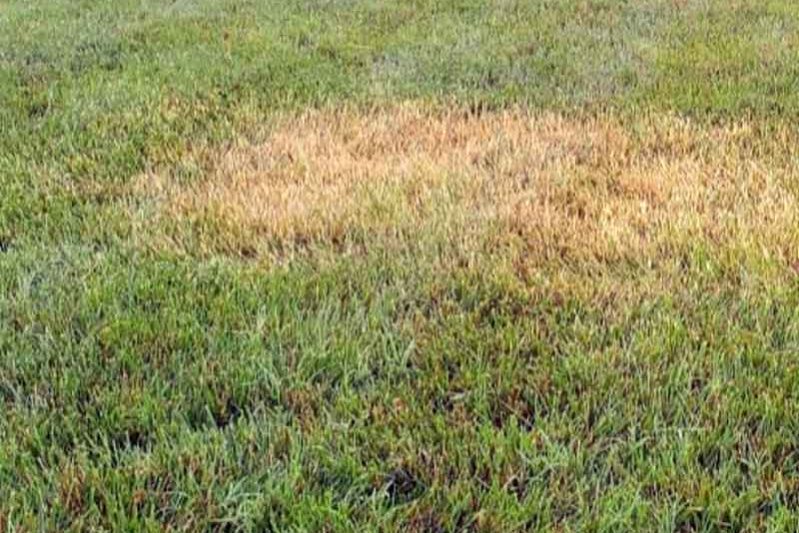
How to Spot Lawn Diseases and Protect Your Yard
Maryland lawns face a wide range of turf diseases caused by heat, humidity, excess moisture, and stress. If you notice unusual spots, discoloration, or dying patches, it may be a sign of a fungal issue that needs professional attention. Use this guide to identify common lawn diseases in our region, then contact MRW Lawns for a full diagnosis and treatment plan.
What Causes Lawn Fungus?
Lawn diseases typically appear when weather conditions and cultural practices create the perfect environment for fungi. Problems are more common when lawns are stressed by heat, shade, excess moisture, compacted soil, or improper fertilization. Understanding the symptoms can help you catch issues early and prevent serious damage.
Types of Common Lawn Diseases in Maryland
Anthracnose
Symptoms: Reddish brown spots on leaves and large irregular patches that range from two inches to ten feet.
Conditions: Thrives in hot temperatures between 75 and 95 degrees with high humidity and frequent rain.
Brown Patch
Symptoms: Large circular areas where fescue grass blades die and collapse. This disease often creates rings of brown, thinning turf.
Conditions: Very common in tall fescue lawns during warm, humid weather between 75 and 95 degrees. Excess rain increases the risk.
Dollar Spot
Symptoms: Small circles of dead grass that measure four to twelve inches wide. These spots can merge into larger irregular patches.
Conditions: Develops in mild temperatures between 60 and 85 degrees when lawns are under-fertilized but moisture is high.
Copper Spot
Symptoms: Appears similar to Dollar Spot. Grass blades show small red lesions that darken over time. Small patches one to three inches wide may form and eventually die off.
Conditions: More common in mild temperatures between 70 and 80 degrees with high humidity.
Powdery Mildew
Symptoms: A white or light gray powdery coating on the grass blades.
Conditions: Often found in shady areas with poor airflow. Appears during mild, damp weather when moisture stays on the lawn for long periods.
Red Thread
Symptoms: Bleached or straw-colored grass that shrivels at the tips. During wet weather, you may see thin pink strands on the blades.
Conditions: Common in under-fertilized turf exposed to high humidity.
Rust
Symptoms: Fine orange or yellow dust on your shoes or mower. Grass blades look coated with soft, powdery spores.
Conditions: Occurs in dry, mild temperatures between 60 and 75 degrees.
Stripe Smut
Symptoms: Pale, stunted grass with long black streaks on the blades. Affected grass eventually curls and dies.
Conditions: Appears in cooler temperatures between 50 and 60 degrees when moisture levels are high.
Summer Patch (also known as Frog Eye Disease)
Symptoms: Light green patches up to twenty-four inches wide that later turn reddish brown. Healthy turf may appear in the center, forming a ring.
Conditions: Common during drought periods with high humidity and temperatures between 80 and 95 degrees.
Lawn Disease Treatment and Prevention
Fungal diseases can spread quickly, especially in Maryland’s warm and humid climate. While store-bought products exist, choosing the wrong treatment can waste time and allow the disease to worsen. Professional lawn care offers the best results because experts can identify the disease, assess lawn conditions, and apply the correct fungicides at the right time.
How MRW Lawns Can Help
MRW Lawns is a local lawn care company based in Maryland. We offer professional lawn care to homeowners throughout Southern Maryland and Virginia. Established in 1988, we have years of experience in lawn care, pest control, tree and shrub care, and more. We understand lawn diseases and conditions that arise in our region.
Partnering with us, you can expect:
- Accurate disease diagnosis
- Targeted fungicide applications
- Recommendations to improve soil health
- Fertilization plans to strengthen turf
- Guidance on watering and mowing to prevent future outbreaks
If you suspect any of these common lawn diseases, contact MRW Lawns for a full evaluation. Healthy grass starts with early detection and expert care.