
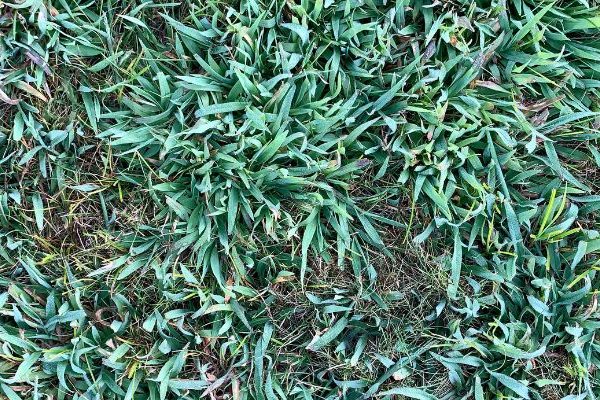
Crabgrass in Maryland Lawns: How to Identify and Stop It
Crabgrass is the most persistent and widespread weed problem facing Maryland homeowners. It germinates earlier than most people expect, spreads faster than most lawns can recover from, and produces up to 150,000 seeds per plant — seeds that can survive in the soil for years.
The good news is that crabgrass is almost entirely preventable when you understand how it grows and when to act. In Maryland, that window is narrow and specific. Miss it, and you spend the rest of the summer fighting a weed that already has the upper hand.
What Is Crabgrass?
Crabgrass (Digitaria sanguinalis) is a warm-season annual grassy weed that germinates in spring, grows aggressively through summer, and dies with the first fall frost — but not before dropping thousands of seeds that will repeat the cycle next year.
Unlike broadleaf weeds, crabgrass is a grass itself, which makes it harder to selectively control once it has established in a lawn. It grows outward in a low, spreading pattern that resembles crab legs, which is where it gets its name.
Key characteristics of crabgrass:
- Coarse, wide leaf blades compared to desirable turf grasses
- Light green to yellow-green color, often lighter than the surrounding grass
- Spreads outward from a central point in a star or crab-like pattern
- Grows low to the ground, often escaping mower blades
- Thrives in thin, bare, or stressed areas of the lawn
Crabgrass is an annual weed, meaning the plant itself dies each fall. However, the seeds it produces persist in the soil and germinate the following spring, which is why prevention, not removal, is the most effective long-term strategy.
When Does Crabgrass Germinate in Maryland?
Crabgrass in Maryland typically begins germinating when soil temperatures reach 55°F at a depth of 2 inches — a threshold that usually occurs in the Maryland piedmont and central regions between late March and mid-April, depending on the year.
This timing is earlier than most homeowners realize. By the time crabgrass is visible in a lawn, it has already been germinating for weeks and the pre-emergent window has closed.
Maryland crabgrass germination timeline:
| Region | Typical Germination Window | Pre-Emergent Deadline |
| Southern Maryland | Mid-March – Early April | Early to Mid-March |
| Central Maryland (Baltimore/DC suburbs) | Late March – Mid-April | Mid to Late March |
| Western Maryland | Early April – Late April | Late March – Early April |
| Eastern Shore | Mid-March – Early April | Early to Mid-March |
Soil temperature is a more reliable trigger than calendar date. The University of Maryland Extension tracks real-time soil temperature data and recommends monitoring conditions in your specific county rather than using a fixed date.
For current Maryland soil temperature readings, the University of Maryland Extension provides up-to-date data that can help you time pre-emergent applications precisely.
Why Crabgrass Grows in Your Lawn
Crabgrass doesn’t grow randomly — it targets specific weaknesses in your turf. Understanding why it appears in certain areas helps you address the root causes rather than just treating symptoms season after season.
Common conditions that invite crabgrass:
Thin or bare turf – Crabgrass seeds need direct sunlight to germinate. Dense, healthy grass shades the soil and blocks germination. Bare spots and thin turf are the most reliable predictors of crabgrass pressure.
Compacted soil – Compacted soil stresses desirable grass while creating ideal conditions for crabgrass, which tolerates compaction better than most turfgrasses. In Maryland, heavy clay soils — common across much of the piedmont region — are particularly prone to compaction-related crabgrass problems.
Low mowing height – Cutting grass too short removes leaf area that shades the soil, raises soil temperature, and creates the warm, exposed conditions crabgrass thrives in. Mowing too low is one of the most common causes of crabgrass pressure in otherwise healthy lawns.
Poor fertilization timing – Under-fertilized turf is thin and slow-growing, leaving gaps that crabgrass readily fills. Over-fertilizing in late spring can also push lush growth that weakens when summer stress arrives.
Disturbed soil areas – Any area where soil has been disturbed — new seeding, repair work, dethatching — is vulnerable to crabgrass germination. These spots require targeted pre-emergent attention.
How Pre-Emergent Weed Control Stops Crabgrass
Pre-emergent herbicide is the most effective tool for crabgrass prevention — but it only works when applied before germination occurs. Applied correctly and on time, a quality pre-emergent will prevent the vast majority of crabgrass from establishing in your lawn.
How pre-emergent works: Pre-emergent herbicides create a chemical barrier in the top layer of soil that prevents germinating crabgrass seeds from developing into mature plants. They do not kill existing crabgrass or prevent seeds from sprouting — they stop the germinated seedling from establishing roots and emerging through the soil surface.
Pre-emergent application guidelines for Maryland:
- Apply before soil temperatures reach 55°F at a 2-inch depth
- Water in the granular pre-emergent within 48 hours of application to activate the barrier
- A second application, 6 to 8 weeks after the first, extends protection through the full germination window
- Do not aerate or overseed immediately after pre-emergent application — doing so breaks the barrier
Important: If you plan to overseed cool-season grass in fall, pre-emergent applied in spring will not affect fall germination, as the barrier breaks down over the summer months.
The University of Maryland Extension’s Home and Garden Information Center provides Maryland-specific pre-emergent product guidance and application recommendations for homeowners and professionals.
How to Prevent Crabgrass Long-Term
Pre-emergent is the first line of defense, but the most crabgrass-resistant lawns combine chemical prevention with cultural practices that make the turf itself inhospitable to weeds.
Lawn care practices that reduce crabgrass pressure:
Mow at the correct height – Cool-season grasses like tall fescue — the most common lawn grass in Maryland — should be mowed at 3.5 to 4 inches during the growing season. This height shades the soil surface, suppresses crabgrass germination, and reduces heat stress during Maryland summers.
Overseed thin areas in fall – Fall overseeding fills in the bare and thin spots that crabgrass targets. Seeding in September gives cool-season grasses time to establish before winter and creates a dense turf canopy that blocks crabgrass the following spring.
Fertilize on schedule – A properly timed fertilization program keeps cool-season grass dense and competitive. In Maryland, the primary fertilization window for cool-season lawns is fall — not spring — which is the opposite of what many homeowners assume.
Aerate compacted soil – Annual core aeration relieves the compacted soil conditions that favor crabgrass and weaken desirable turf. For Maryland lawns, fall aeration combined with overseeding is the most effective annual maintenance combination.
According to the University of Maryland Extension, a thick, well-fertilized stand of tall fescue is the single most effective long-term defense against crabgrass in Maryland lawns.
What to Do If Crabgrass Is Already in Your Lawn
If crabgrass has already emerged in your lawn, pre-emergent herbicide will not help — the germination window has passed. At this point, your options are post-emergent treatment or cultural management until fall.
Options for existing crabgrass:
Post-emergent herbicide – Post-emergent crabgrass herbicides (such as quinclorac-based products) can suppress actively growing crabgrass when applied to young plants. Effectiveness decreases significantly once crabgrass matures and tillers. Apply early and follow label directions carefully, as some post-emergents can injure certain turfgrasses.
Manual removal – For isolated patches, hand-pulling before seed set prevents next year’s infestation from worsening. Remove the entire plant, including the root crown, and dispose of it rather than composting.
Focus on fall – The most productive response to a bad crabgrass year is a strong fall program – aeration, overseeding, and fertilization — that thickens the turf before next spring’s pre-emergent application.
Professional Crabgrass Control Services in Maryland
Effective crabgrass prevention requires hitting a narrow soil temperature window that shifts each year based on Maryland’s weather patterns. It requires the right product, the right rate, and often a split application timed weeks apart. And it works best as part of a complete program — one that also addresses the soil compaction, turf density, and fertilization timing that determine whether crabgrass can gain a foothold in the first place.
MRW Lawns provides professional crabgrass prevention and lawn care services across Maryland, with treatment programs timed to local soil conditions and designed to keep your lawn thick, healthy, and weed-resistant throughout the season.
Contact MRW Lawns today to schedule a lawn evaluation and get ahead of crabgrass before next season’s germination window opens.