What’s Causing Brown Spots in My Lawn?
If you’ve noticed brown spots on your lawn, you’re not alone. Brown spots can be a sign of common problems, but understanding the reasons behind them can help you keep your lawn green and healthy. Let’s explore some common causes of brown spots and how to address them.
Common Reasons for Brown Spots in Your Maryland Lawn
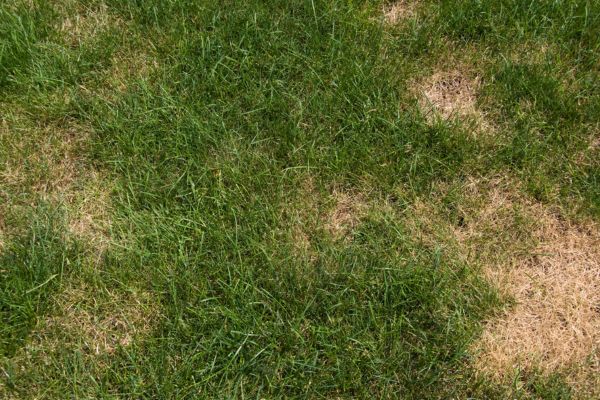
Brown patches of grass can appear in your lawn for many reasons, like improper mowing, lawn fungus, grubs, or can even be a sign of drought stress. We’ll dive into how to spot and diagnose why you’re lawn may be struggling.
Lawn Diseases
One major cause of brown spots in your lawn is lawn disease. Two common fungal diseases in Maryland and Virginia lawns are Brown Patch and Dollar Spot.
Brown Patch Fungus
Brown Patch disease, caused by the Rhizoctonia fungus, thrives in humid weather and can cause large, irregular brown patches on your lawn. This disease often affects cool-season grasses like tall fescue and Kentucky bluegrass. To treat Brown Patch, you can use a fungicide and make sure to water your lawn in the early morning to allow grass blades to dry out during the day.
Dollar Spot Fungus
Dollar Spot is another fungal disease that causes small, circular brown spots, about the size of a silver dollar, on your lawn. This disease often appears during warm, humid weather and can be controlled with proper fertilization and fungicide treatments.
Drought Stress
Drought stress occurs when grass doesn’t receive enough water to meet its needs, causing it to become dehydrated and unhealthy. This is particularly common during hot summer months in Maryland and Virginia, when the weather is dry and temperatures are high. Grass under drought stress will often turn brown and go dormant as a survival mechanism, conserving water and energy until conditions improve.
Signs of Drought Stress
- Yellow or Brown Patches of Grass: The grass turns brown or yellow because it cannot maintain its usual green color without enough water.
- Footprint Test: If you walk across your lawn and your footprints remain visible, it indicates that the grass blades lack the moisture and elasticity to spring back up.
- Wilting: The grass may appear wilted or limp, losing its upright and healthy appearance.
- Thinning Turf: The overall density of the lawn may decrease as grass plants struggle to survive.
Summer Watering Tips for a Healthy Lawn
During the hot summer months, watering your lawn properly is crucial. To prevent drought stress, water your lawn deeply and less frequently to encourage stronger root systems, aiming for about 1 to 1.5 inches of water per week. The best time of day to water your grass is early morning, as this allows the water to reach the roots before it evaporates in the heat. Avoid watering your lawn later in the evening. Leaving the lawn damp overnight can encourage fungus to develop, leading to much bigger problems. Outside of watering, these are other helpful ways to keep your lawn healthy during drought periods:
- Regularly aerating your lawn promotes better water absorption and reduces runoff.
- Adjust your mower to a higher setting to provide shade for the soil, helping it retain moisture.
- Measure the output of your sprinkler system with the ‘Tuna Can Method’: place a small can or similar container in the lawn to measure how long it takes for your irrigation system to put out one inch of water.
Mower Damage
Improper mowing can also cause brown spots. Dull mower blades can tear grass blades instead of cutting them cleanly, leading to brown, ragged edges. Additionally, mowing your grass too short can stress it and cause brown patches. Always mow your lawn when the grass is dry and keep your mower blades sharp. Whether you’re handling the mowing yourself or relying on a professional service, following a regular mowing schedule is key. Consistent mowing promotes even growth and helps maintain a healthy lawn. Lawns may need to be cut weekly or bi-weekly during the warmer months in Maryland, but frequency should be adjusted based on grass growth and weather conditions.
Summer Mowing Tips for Maryland & Virginia Lawns
- Switch Up Your Mowing Pattern: Rotating mowing patterns prevents soil compaction and encourages healthier growth. Changing patterns regularly promotes a more robust, lush lawn.
- Sharp Mower Blades for Clean Cuts: Sharp mower blades are essential for achieving clean cuts. Dull blades can damage the grass, leading to brown, ragged edges that invite pests and diseases.
- Follow the One-Third Rule: Never cut more than one-third of the grass blade in one mowing. Doing so is what causes brown spots of mower stress because you’re essentially “cutting out the green”.
- Consider Leaving Clippings: Leaving grass clippings on the lawn can provide valuable nutrients and organic matter. This practice enriches the soil and contributes to a healthier lawn ecosystem.
Mowing Heights for Your Grass Type
- Tall Fescue: Mow to a height of 3 to 4 inches.
- Bermuda: Mow to a height of 1 to 1.5 inches.
- Zoysia: Mow to a height of 1 to 2 inches.
Professional Lawn Care in Maryland and Virginia
By following these lawn care tips and understanding the common causes of brown spots, you can maintain a lush, green lawn throughout the year. If you’re still having trouble, consider consulting a local lawn care professional like MRW Lawns for advice tailored to your specific lawn needs. We know what lawns in our areas of Maryland and Virginia need to thrive and we have years of experience helping homeowners maintain healthy lawns. Since 1988, we’ve offered lawn care services including weed control and fertilization, lawn disease control, aeration and overseeding, mosquito control, and more. Our service area covers Charles County, Howard County, Queen Anne’s County, Colonial Beach, Upper Westmoreland County, Dahlgren, and surrounding areas. Contact us today for a free quote!